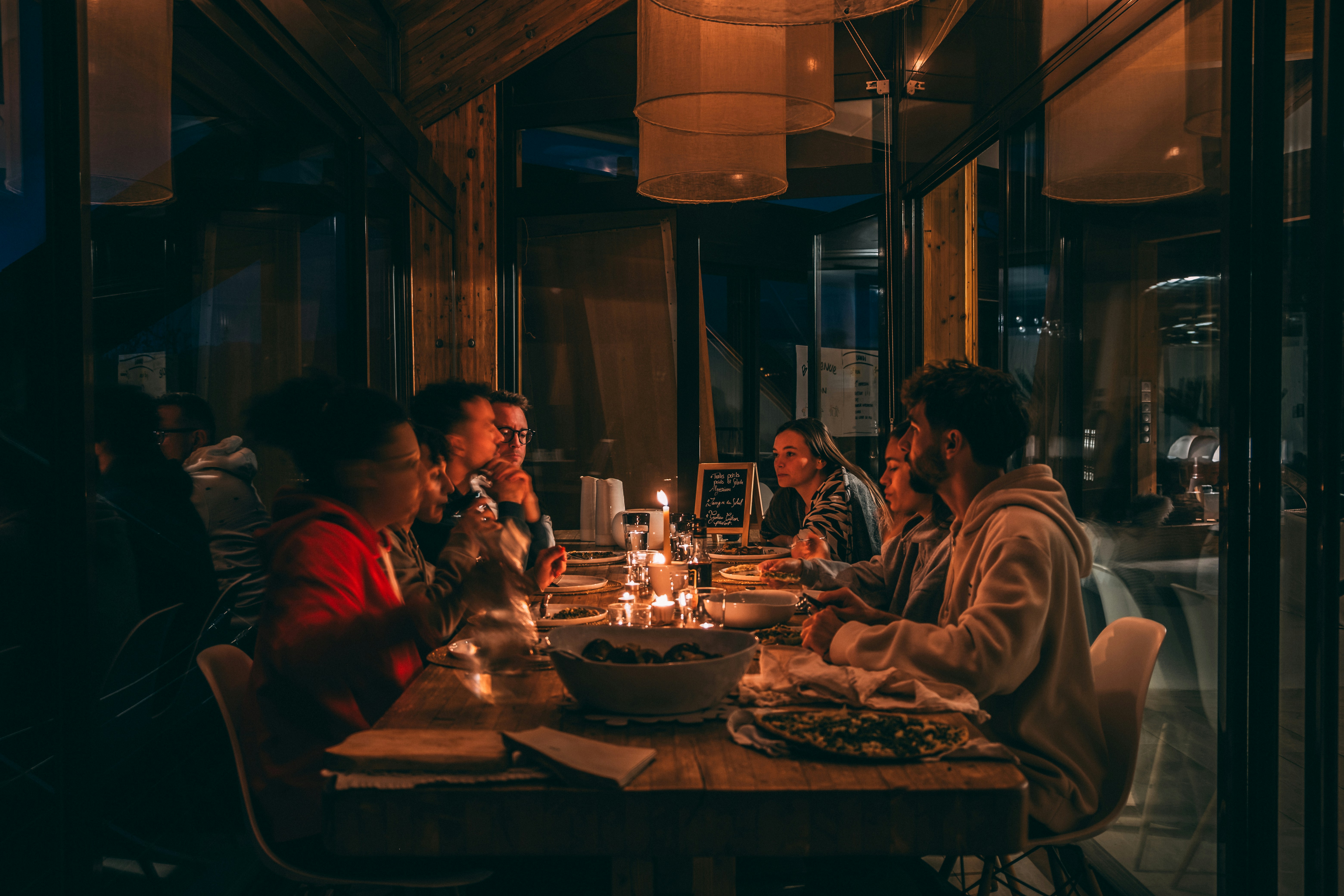
Nobody sets out to overspend at restaurants. It happens one ordinary Tuesday at a time: a coworker suggests tacos after work, the kids beg for pizza on Friday, a birthday lands on Saturday. Each meal feels small. Added up at the end of the month, though, restaurant spending is often the line item that surprises people most — not because any single dinner was extravagant, but because there were simply more of them than anyone planned for.
The fix is not to stop eating out. For most households, that's neither realistic nor necessary. The fix is to eat out on purpose: fewer impulse meals, better choices inside the ones you do have, and a number you decide ahead of time instead of discovering afterward.
Why Restaurant Spending Creeps Up
Restaurant bills grow for reasons that have little to do with willpower. Menus are designed to steer you toward the priciest options. Drinks and appetizers arrive before you've decided what you actually want. And the social pressure is real — nobody wants to be the person studying prices while everyone else orders freely.
Then there's the delivery trap. Ordering in feels cheaper than going out, but once delivery fees, service fees, tips, and marked-up menu prices stack up, a $14 burrito can quietly become a $26 transaction. Delivery has its place. As a default habit, it's one of the fastest ways to burn through a food budget.
Understanding these mechanics matters, because once you see them, you can work around them without feeling deprived.
The Switches That Save the Most
Not every savings trick is worth the same effort. Some changes shave a dollar or two; others cut a bill nearly in half. Here's how the most common strategies compare:
| Strategy | How it works | Typical effect on the bill |
|---|---|---|
| Lunch instead of dinner | Same restaurant, midday menu | Often 25–40% less for similar food |
| Happy hour | Discounted appetizers and drinks, usually 3–6 pm | Big savings if you eat early |
| Water instead of soda or alcohol | Skip the highest-markup items | Several dollars per person, every time |
| One shared appetizer, no entrée upgrades | Split a starter, keep mains simple | Cuts $8–15 off a table's total |
| Cooking the "copycat" at home | Recreate a favorite dish once a month | Replaces a full restaurant visit |
| Delivery only on a set day | One planned delivery night per week | Stops the slow drip of fees |
The pattern is worth noticing: the biggest wins come from when and how you eat out, not from agonizing over every menu line. A lunch visit to a favorite spot beats a dinner visit to a cheaper spot, most of the time, because the menu itself does the discounting for you.
Build Your Dining-Out Budget in Five Steps
A vague intention to "eat out less" rarely survives contact with a busy week. A number does. Here's a simple way to set one:
Step 1: Look at last month, honestly. Pull up your bank or card app and add up every restaurant, café, fast-food, and delivery charge. Don't judge the total — just get it. Most people find the number is higher than their guess, and that's useful information, not a failure.
Step 2: Pick a monthly number you can live with. If last month was $320 and that felt uncomfortable, try $200 — not $50. A target you can actually hit beats an ambitious one you abandon by the second week.
Step 3: Divide it into weeks. A $200 monthly budget is $50 a week. That framing helps in the moment: when a friend texts about Thursday dinner, you know immediately whether this week's envelope still has room.
Step 4: Decide your defaults. Choose two or three standing rules that fit your life. Examples: lunch out on Fridays only; delivery once a week, on a night you choose in advance; one "nice dinner" per month, planned and enjoyed without guilt.
Step 5: Track it weekly, not daily. Check the running total every Sunday. If you're over, the next week gets a little tighter. If you're under, the surplus rolls forward. Weekly check-ins keep the system forgiving — one big weekend doesn't sink the month.
Myth vs. Fact: Eating Out Edition
Myth: Cooking at home is always cheaper. Fact: Usually, yes — but not always. A home-cooked meal built around pricey ingredients, or a grocery run that includes a lot of impulse buys, can cost more than a simple lunch special. The real comparison is your actual grocery spending against your actual restaurant spending, not an idealized version of either.Myth: Coupons and deals are the main way to save. Fact: Deals help, but timing and ordering choices matter more. A 20%-off coupon on a dinner where everyone orders drinks and dessert often costs more than a full-price lunch with water and a shared appetizer.
Myth: You have to give up your favorite restaurant. Fact: You have to give up going there thoughtlessly. Going to the same beloved place once a month, ordering what you love, and enjoying every bite is a better deal — financially and otherwise — than going four times and resenting the bill.
The Traps Worth Watching
A few habits quietly undo good intentions. Ordering delivery because the fridge is empty is the classic one; keeping two or three quick pantry meals on hand (pasta and jarred sauce, eggs and toast, canned soup and bread) breaks that cycle. Another is the "just this once" dinner that happens three times a week — if it recurs, it's not an exception, it's the pattern, and it belongs in the budget.
Group dinners deserve a mention too. Splitting the bill evenly feels fair until one person's steak and cocktails land on everyone else's tab. There's nothing rude about asking to split by what each person ordered, or about ordering within your own budget and saying so plainly. Most friends understand — many are relieved someone said it first.
Eating Out, On Your Terms
The point of all this isn't austerity. Restaurants are where birthdays happen, where friendships get maintained, where a tired cook gets a night off. A budget that eliminates those things will fail, and it should. The goal is a food budget where restaurant meals are chosen, enjoyed, and paid for without a wince at month's end.
Start small: pick one switch from the table above and try it for two weeks. Swap one dinner for a lunch. Make water the default. Set a weekly number and check it on Sunday. One change at a time is how a habit actually sticks — and the money saved tends to stick around too.
#diningout #savingmoney #frugalliving #foodbudget #restaurantsavings #budgetingtips #moneysavingtips #eatoutsmart #personalfinance #americanliving